 AI Haircuts
How to tell your barber what you actually want
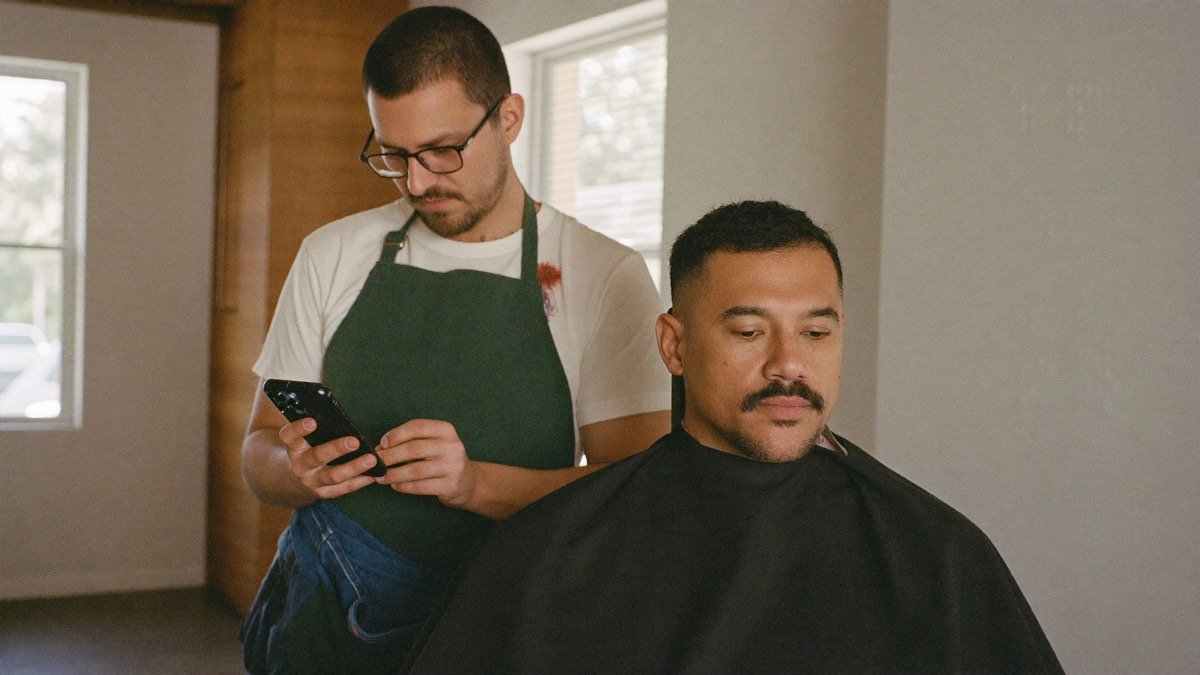
Almost nobody leaves a salon unhappy because their barber lacked skill. They leave unhappy because two people used the same words to mean different things. "Short on the sides" covers everything from a light trim to bare skin. "Not too much off" is not a measurement. The gap between what you pictured and what you said is where bad haircuts live.
Why the words fail
Haircut vocabulary is regional, inconsistent and largely undefined. A fade in one shop is a taper in the next. "Texture" can mean point-cutting the ends, or it can mean product in the finish. Even the guard numbers, which sound precise, refer to clipper attachments — and where on the head that guard stops is the actual decision, not the number itself.
None of this is anyone's fault. It just means that words alone are a poor medium for transferring a picture from one head to another.
The four things worth saying
If you say nothing else, say these. They remove most of the ambiguity.
- How much length comes off, in centimetres or inches. Not "a bit". Hold your fingers apart and say the number. If you don't know, say "I want it to still cover my ears" — an outcome is better than an adjective.
- Where the short part stops. Point to the spot on your own head. The height of the fade or taper matters more than its number.
- What you want to be able to do with it. "I want to wear it forward" or "I need to be able to tie it back" tells a barber more about the cut than any style name.
- How much time you'll give it in the morning. Two minutes and no product is a real constraint, and a good barber will cut differently for it.
The one question to ask back"What will this look like in five weeks?" A cut that needs a visit every three weeks to stay right is a budget decision as much as a style one, and it is better to find out before than after.
Bring a picture — but the right kind
Every barber will tell you to bring a photo. What they rarely say is that most photos make the problem worse. A magazine shot shows a model whose hair type, density, growth pattern and face shape are not yours. Your barber then has to translate that image onto your head, and translation is exactly the step that goes wrong.
A photo is useful when it removes work from the barber rather than adding it. In order of usefulness:
- A photo of you with a cut you previously liked. Unbeatable, but only exists if you kept one.
- A simulation on your own face. Same effect as above without the archive — this is what apps like this one are for, and it is the only case where the reference already has your features.
- Several photos of the same cut from different angles, on someone with hair like yours.
- One photo of a model — better than nothing, and the most common cause of misunderstanding.
Whatever you bring, say what you like about it. "I like how short it is at the back" is information. Handing over a phone is not.
A short glossary that settles arguments
| Term | What it usually means |
|---|---|
| Fade | A gradient going all the way down to skin or near-skin at the bottom. |
| Taper | The same idea, but gentler and usually only around the edges — it does not reach skin. |
| Undercut | One uniform short length underneath, with no gradient, and longer hair on top. |
| Layers | Different lengths cut through the hair to remove weight and create movement. |
| Thinning | Removing density without removing visible length. Easy to overdo on fine hair. |
| Point cutting | Cutting into the ends at an angle so the line looks soft rather than blunt. |
If it starts going wrong, say so early
Barbers would far rather hear "can we keep it a bit longer there" at minute three than see your face at minute twenty. Hair does not go back on. Speaking up early is not rude — it is the only point at which the cut can still change.
Keep reading
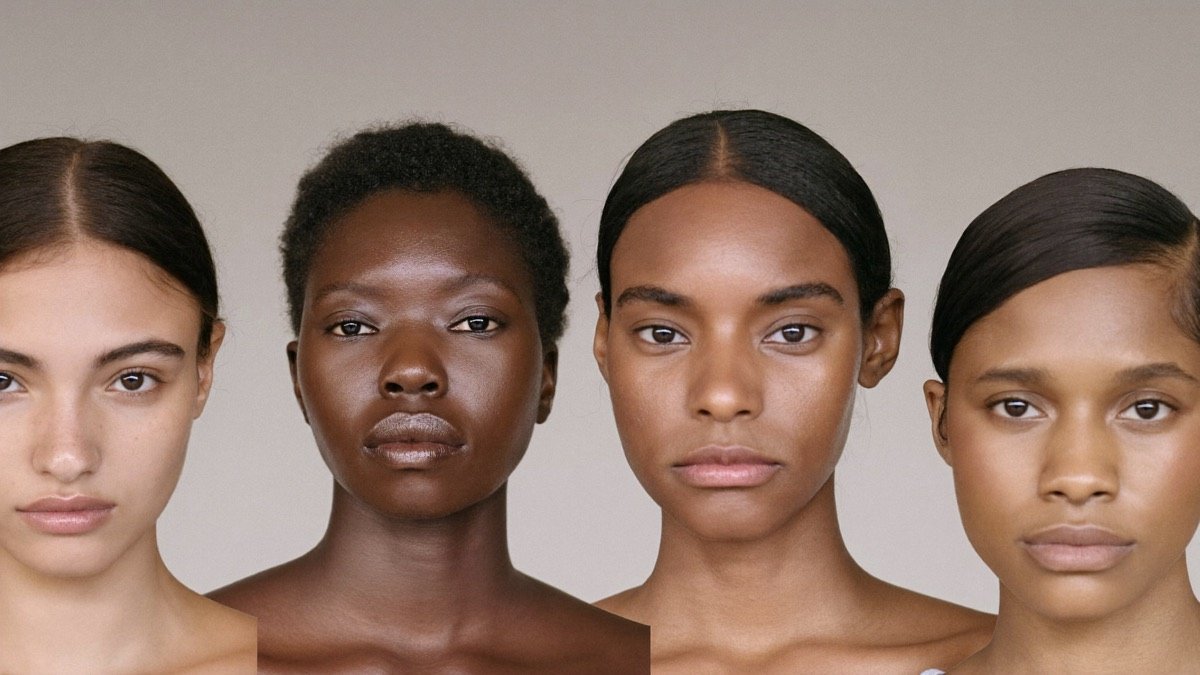
Which haircut suits your face shape?
Round, oval, square, long: the cuts that balance each face shape, and the ones to skip.
Read the guide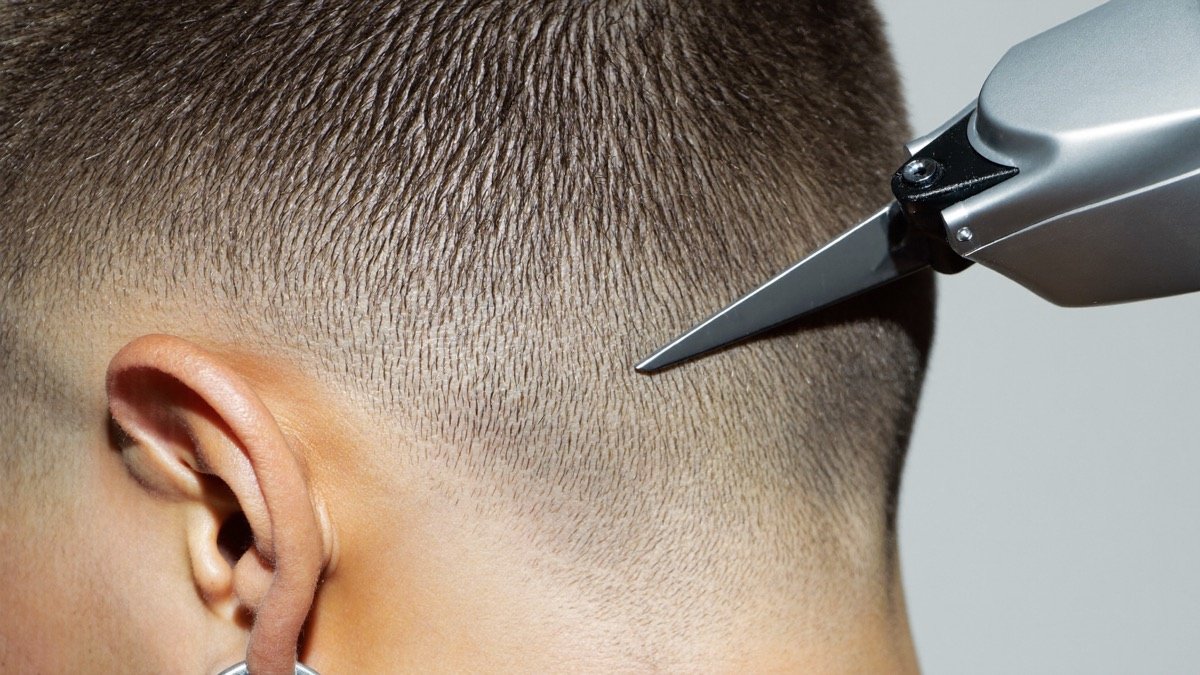
Fade, taper, undercut: what the words actually mean
Low, mid, high, skin, taper, undercut: the words barbers use, decoded once and for all.
Read the guide
Balayage or highlights: which technique to choose
Two methods, two results, two budgets. What actually separates them, and how to choose.
Read the guide