 AI Haircuts
Which haircut suits your face shape?
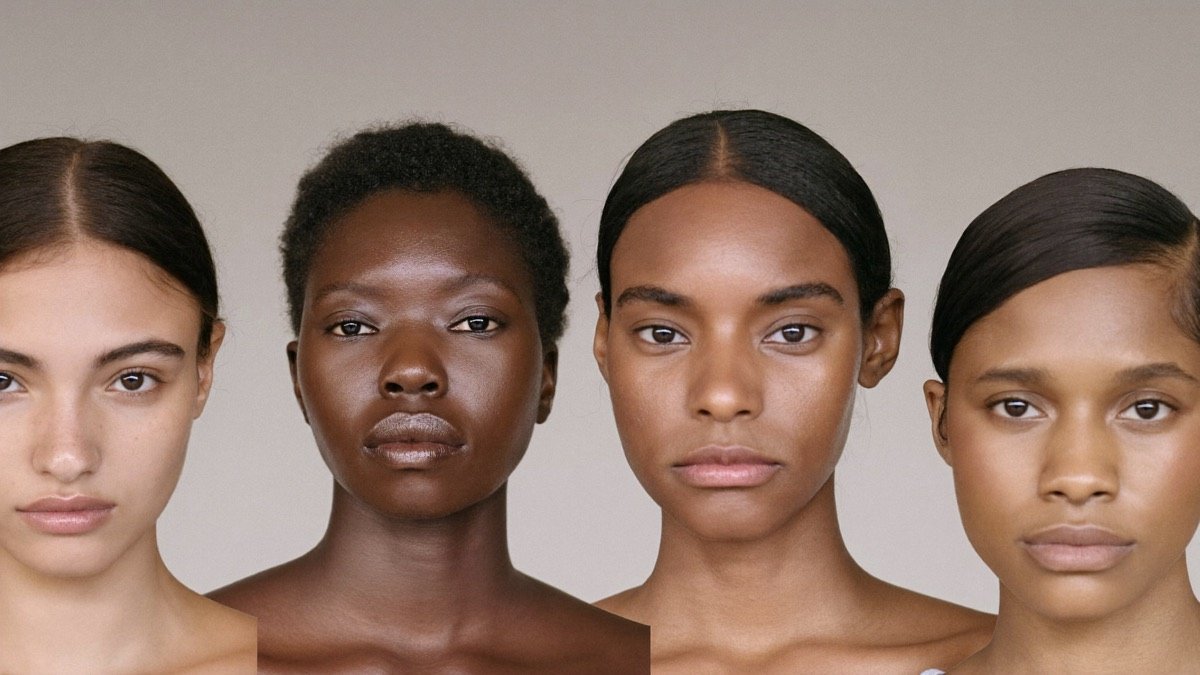
Most haircut advice starts in the wrong place. It tells you what is fashionable this season, when the only question that matters is what sits well on the face you already have. Face shape is not a rule book, but it is a reliable starting point — and it takes about a minute to work out.
Find your face shape in one minute
Pull your hair back, stand in front of a mirror in even light, and look at three things: the width of your forehead, the width of your cheekbones, and the line of your jaw. Then compare the length of your face to its width.
- Oval — face noticeably longer than wide, forehead slightly broader than the jaw, soft jawline.
- Round — length and width close to equal, widest at the cheekbones, soft jaw with little angle.
- Square — length and width close to equal, but with a strong, angular jaw roughly as wide as the forehead.
- Long (oblong) — clearly longer than wide, with forehead, cheekbones and jaw of similar width.
- Heart — broad forehead and cheekbones narrowing to a pointed chin.
If you're between two shapesMost people are. Pick the one that describes your jaw, because that is the line a haircut interacts with most.
What actually works, shape by shape
The principle behind every recommendation below is the same: hair adds volume where you place it, so you put volume where you want width and keep it close where you don't.
Oval
The shape with the fewest constraints. Almost anything works, which means you can choose on texture and upkeep instead. The one thing to watch: a heavy, straight fringe that covers the forehead shortens the face and gives away the balance you naturally have.
Round
You want height and vertical lines, not width at the sides. Volume on top, short at the temples: a pompadour, a quiff, a high fade. A deep side part creates a diagonal that breaks up the circle. Avoid blunt bobs that end at the jaw and full fringes cut straight across — both widen the face.
Square
You have a strong jaw. The choice is whether to frame it or soften it. To frame it, go short and structured: a crop, a buzz cut, a side part. To soften it, use texture and movement around the jaw — a mid-length cut with layers, or waves that fall past the chin.
Long
Here you want the opposite of round: width, not height. Keep the top moderate and let the sides hold some volume. A fringe works well because it visually shortens the face. Avoid tall volume on top and very short sides at the same time — that combination stretches the face further.
Heart
The aim is to balance a broad forehead against a narrow chin. Medium lengths that add volume near the jaw do this well: a chin-length bob, curtains, or a side-swept fringe that softens the top. Very short, slicked-back styles tend to emphasise the width difference.
Three things that matter as much as shape
Face shape gets all the attention, but in practice three other factors decide whether you like the result.
- Hair texture. A cut that relies on weight will not behave the same on fine hair as on thick hair. Curly hair shrinks when it dries — sometimes by a third. Tell your barber how your hair behaves, not just what you want.
- Growing out. A cut looks its best for about two weeks. Ask what it will look like at week five, because that is where you will spend most of your time.
- Morning routine. A style that needs product and ten minutes is a different commitment from one you can wash and leave. Be honest about which you are.
The reliable shortcutFace shape narrows the field; it does not pick for you. The fastest way to decide is to actually see two or three candidates on your own face rather than on a model who shares neither your hair nor your features.
Then comes the hard part
Knowing which cut suits you is half the job. Getting your barber to produce it is the other half, and it is where most disappointments come from — the words we use for haircuts are far less precise than we think. That is its own subject, and we covered it separately.
Keep reading
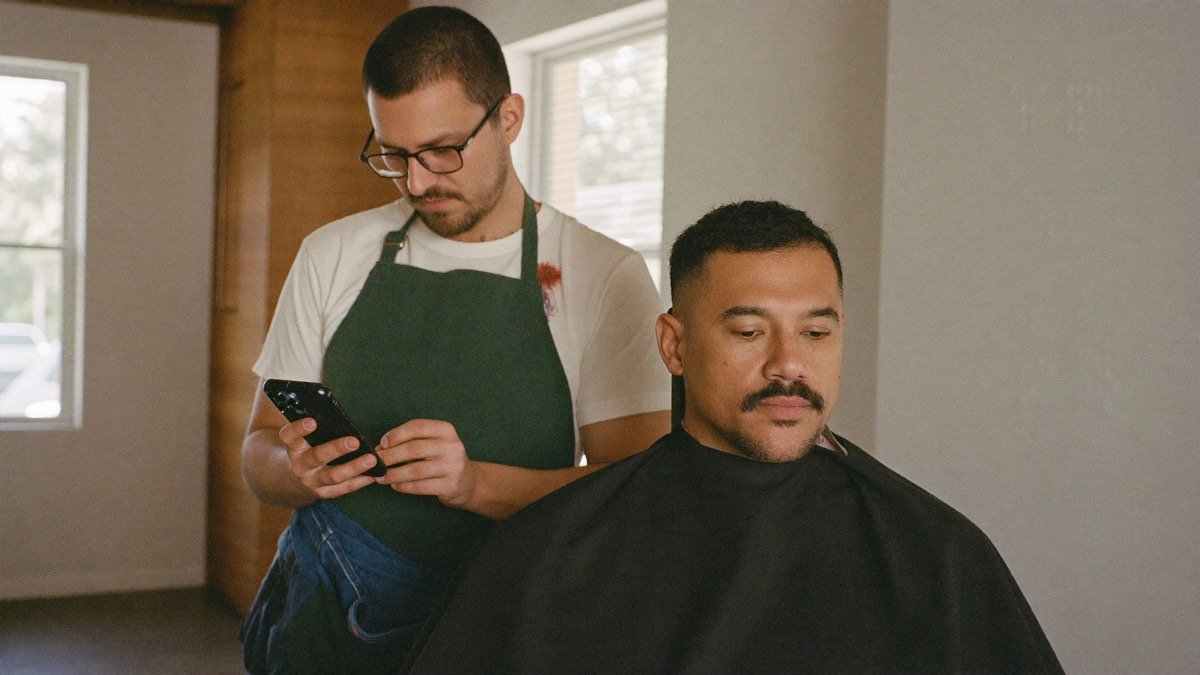
How to tell your barber what you actually want
Why haircut words fail, and the four things to say instead so you get what you pictured.
Read the guide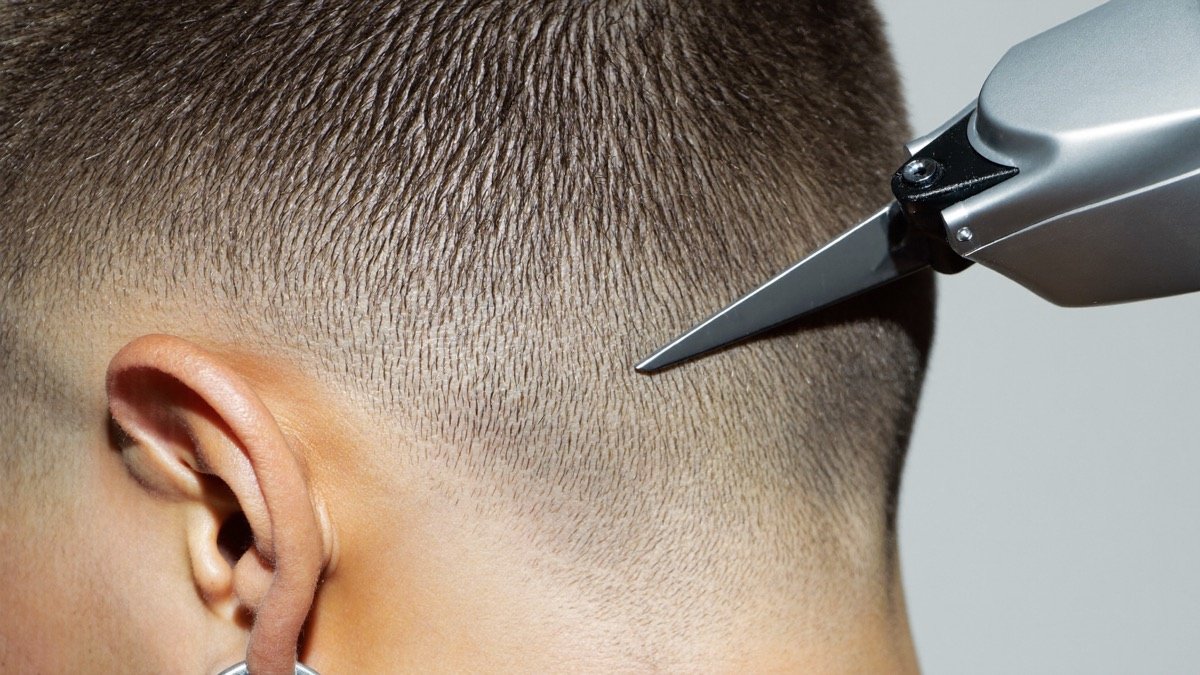
Fade, taper, undercut: what the words actually mean
Low, mid, high, skin, taper, undercut: the words barbers use, decoded once and for all.
Read the guide
Balayage or highlights: which technique to choose
Two methods, two results, two budgets. What actually separates them, and how to choose.
Read the guide