 AI Haircuts
Fade, taper, undercut: what the words actually mean
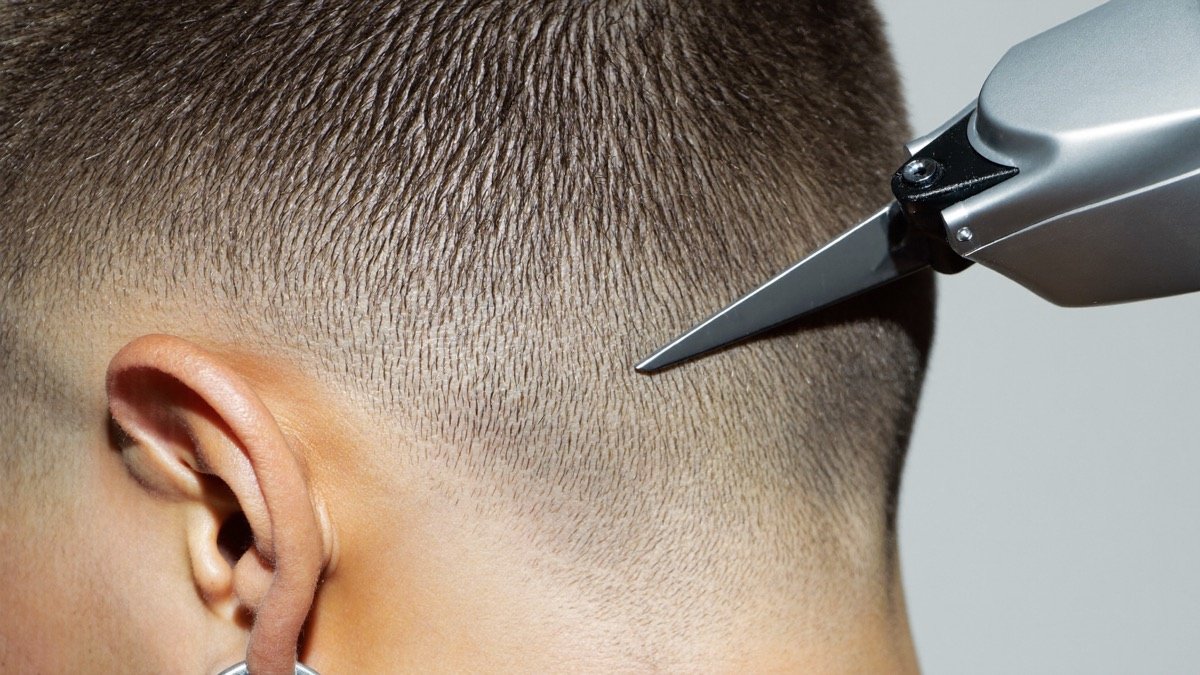
Three terms cause more confusion at the chair than everything else combined: fade, taper and undercut. They describe different things, they are used interchangeably by almost everyone, and picking the wrong one gets you a haircut you did not ask for. Here is the distinction, in plain terms.
The three that get mixed up
Fade
A fade is a gradient. The hair goes from longer at the top to progressively shorter as it goes down, ending very short or at bare skin. The defining feature is that there is no visible line where one length becomes another — it blends.
Taper
A taper is the same gradient idea, but gentler and more localised. It usually only affects the edges — around the ears and the nape — and it does not go down to skin. If a fade is the whole side of the head, a taper is the border.
Practically: a taper is the conservative option. It grows out gracefully and reads as tidy rather than styled.
Undercut
An undercut has no gradient at all. The sides and back are cut to one uniform short length, and the top is left long, with a visible break between the two. That hard line is the point of it.
The one-sentence versionA fade blends. A taper blends, but only at the edges and never to skin. An undercut deliberately does not blend.
Low, mid, high — and skin
Once you have chosen a fade, the next word decides where it starts. This matters more than anything else you will say.
| Name | Where the gradient begins | Effect |
|---|---|---|
| Low fade | Just above the ear, low on the head | Subtle, conservative, easy to grow out |
| Mid fade | Around the temple | The middle ground, suits most people |
| High fade | At or above the temple corner | Strong contrast, adds apparent height |
| Skin / bald fade | Any height, but reaching bare skin | Sharpest look, shortest lifespan |
| Drop fade | Curves down behind the ear | Follows the head shape, softer at the back |
If your face is round, a high fade adds the vertical line you want. If your face is long, a low fade avoids stretching it further.
The cuts on top
Fade, taper and undercut describe the sides. They say nothing about what happens above, which is a separate decision.
- Crew cut — short all over, slightly longer at the front, tapered sides. Low maintenance, hard to get wrong.
- French crop — short textured top pushed forward, with a blunt fringe. Works well on thinning hairlines and fine hair.
- Buzz cut — one guard length over the whole head. The most honest cut there is: it hides nothing and needs nothing.
- Quiff — volume at the front, swept up and back. Needs product and a few minutes daily.
- Pompadour — a taller, more structured quiff with the sides kept tight.
- Curtains — mid-length, parted in the middle, falling either side of the forehead.
- Side part — a defined parting with the hair combed across. Reads formal.
How to combine them
A complete request names both halves. "A mid fade with a textured crop on top." "A low taper, and leave the top long enough to push back." That sentence is more useful than any single style name, because it separates the two decisions your barber actually has to make.
Before you commit to the wordThe gap between hearing "mid fade" and picturing it on your own head is wide. Seeing the cut on your face first turns a vocabulary problem into a simple yes or no.
What to ask if you are unsure
Ask for a taper rather than a fade. Ask for the lower option rather than the higher one. Ask to keep half a centimetre more than you think you want. Every one of these is reversible at your next visit in three weeks, and the opposite is not.
Keep reading
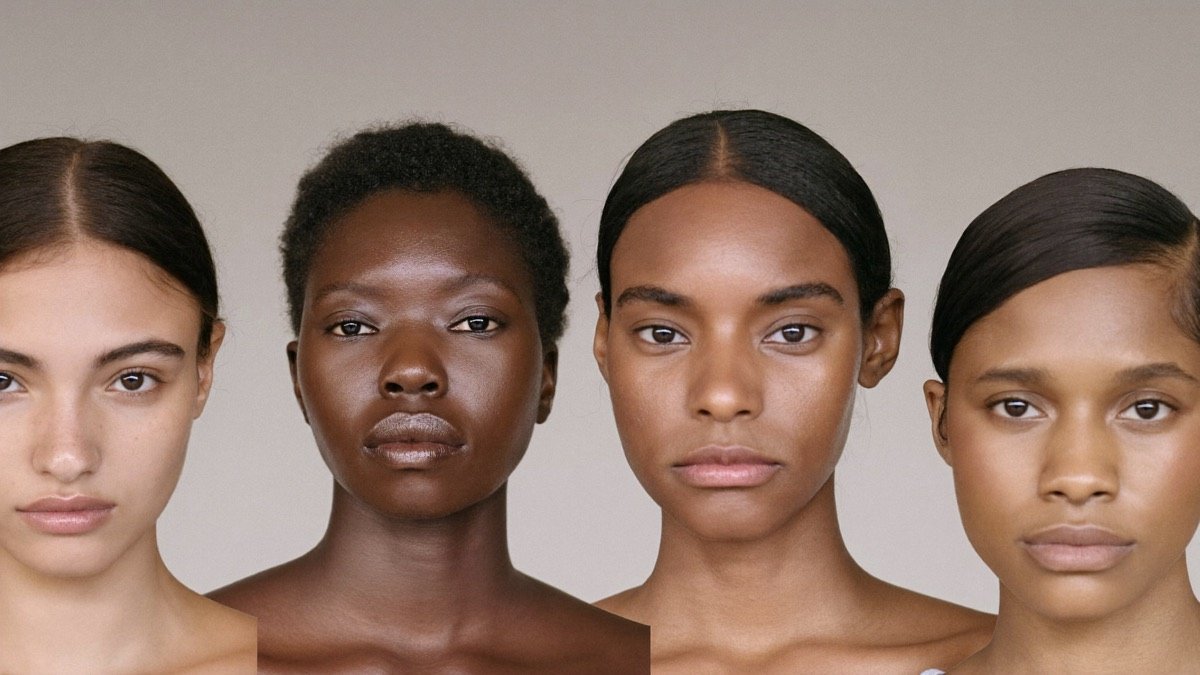
Which haircut suits your face shape?
Round, oval, square, long: the cuts that balance each face shape, and the ones to skip.
Read the guide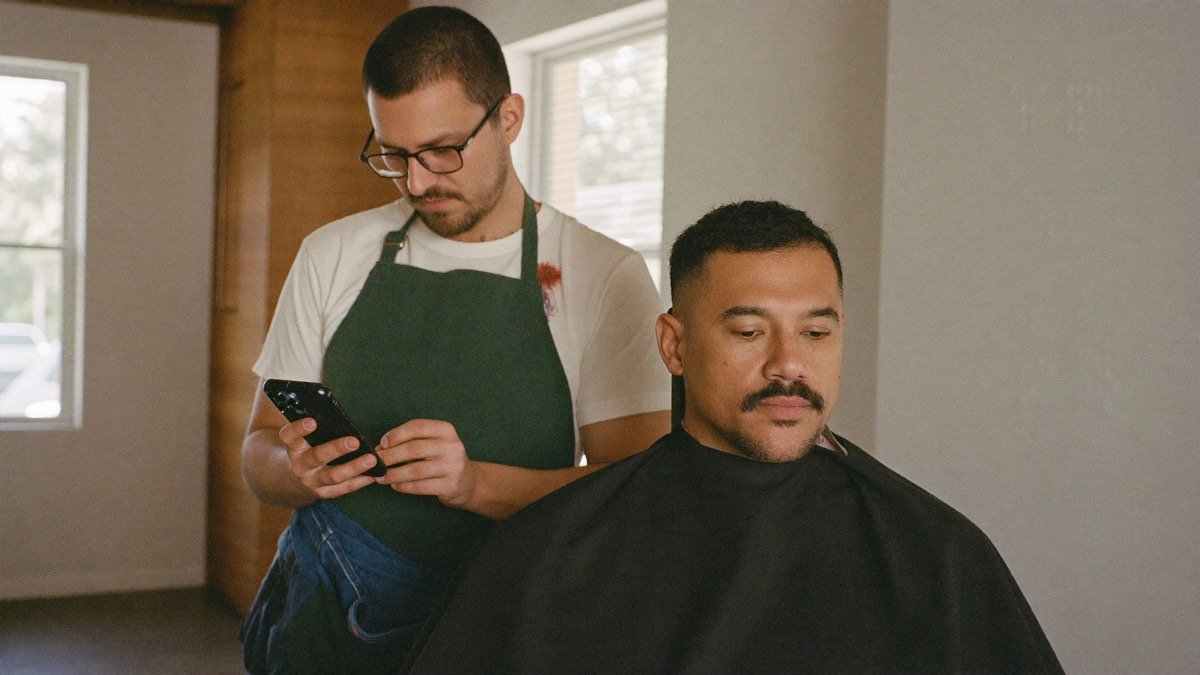
How to tell your barber what you actually want
Why haircut words fail, and the four things to say instead so you get what you pictured.
Read the guide
Balayage or highlights: which technique to choose
Two methods, two results, two budgets. What actually separates them, and how to choose.
Read the guide