 AI Haircuts
Balayage or highlights: which technique to choose
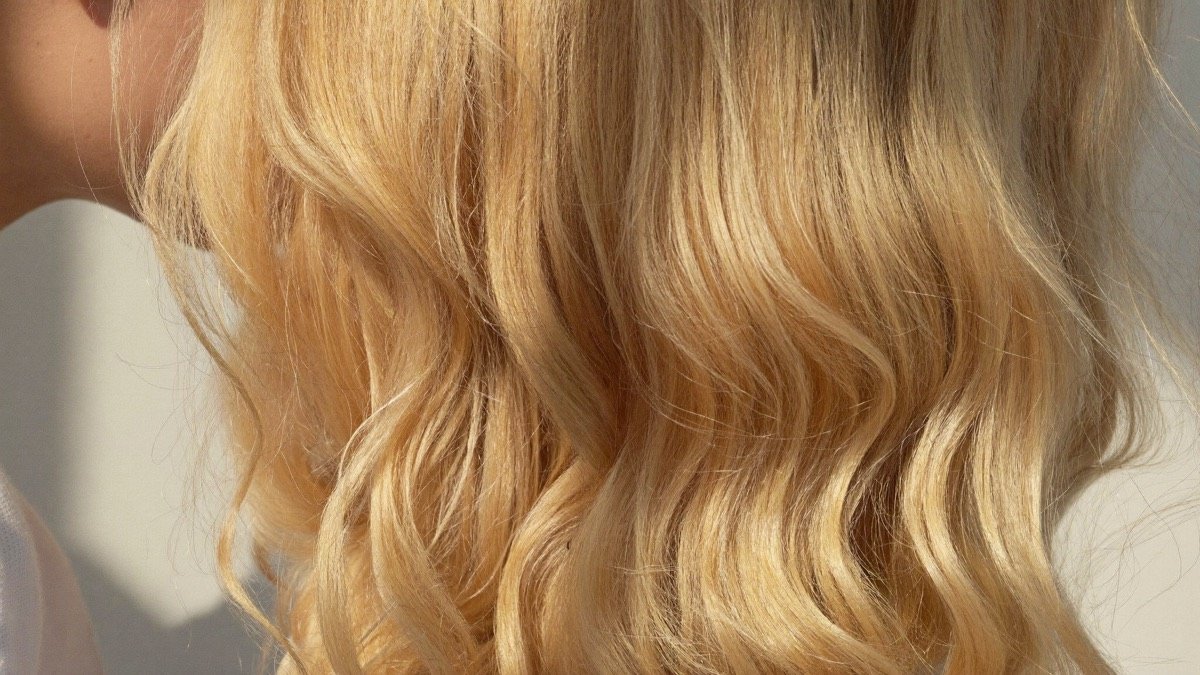
Balayage and highlights both lighten sections of hair. That is where the similarity ends. They are applied differently, they grow out differently, and they cost different amounts to live with. Choosing between them is less about which is prettier and more about how much of your life you want to spend in a salon chair.
The difference in one paragraph each
Highlights
Sections of hair are woven out, painted with lightener and wrapped in foil. The foil traps heat and keeps the product off the surrounding hair, which means the lift is strong and it starts right at the root. The result is even, defined and repeatable.
Balayage
Lightener is painted freehand onto the surface of the hair, heavier toward the ends and feathered out toward the roots. Nothing is wrapped. The lift is softer and less uniform by design — the goal is hair that looks like it has been in the sun, not hair that has been processed.
The shortcutHighlights are a technique of precision. Balayage is a technique of gradation. If you want brightness at the root, you want foils. If you want to forget about your roots, you want balayage.
The part that decides it: upkeep
This is the practical difference, and it is bigger than the visual one.
| Highlights | Balayage | |
|---|---|---|
| Regrowth line | Visible, because colour starts at the root | Soft, because the roots were left darker on purpose |
| Typical salon return | Every 6–10 weeks | Every 3–5 months |
| Appointment length | Shorter, but more often | Longer, but rarer |
| Cost over a year | Higher, through frequency | Lower, despite a higher single price |
| Result consistency | Very predictable | Depends heavily on the colourist |
Balayage usually costs more per appointment and less per year. That trade is the real decision.
Which suits your hair
- Dark hair — balayage is kinder. Going very light at the root on dark hair means aggressive lifting and an obvious line in six weeks.
- Fine hair — foils add the appearance of density through contrast. Balayage can look flat if the placement is not deliberate.
- Curly hair — balayage tends to win, because freehand painting can follow the curl pattern rather than fight it.
- Previously coloured hair — say so before anything else. Old box dye, in particular, reacts unpredictably to lightener and changes what is safely possible.
- Damaged hair — neither is a good idea until the condition improves. Any lightening opens the cuticle.
The words to bring with you
Colour vocabulary drifts as much as haircut vocabulary. A few terms worth knowing:
- Babylights — very fine, closely woven highlights that imitate natural childhood hair. Subtle, slow, expensive.
- Ombré — a horizontal transition from dark roots to light ends, more graphic than balayage.
- Foilyage — balayage painted freehand, then wrapped in foil for extra lift. A middle ground.
- Toner — applied after lightening to neutralise brassiness. It fades in weeks, and is often what people mean when they say their colour "went orange".
Before you bookColour is the one decision where a preview matters most, because it is the hardest to undo. Seeing a shade against your own skin tone answers in seconds what a swatch book cannot.
One honest warning
Neither technique will take dark hair to bright blonde in a single appointment without cost to the hair. A colourist who says it needs two or three sessions is giving you good news, not upselling you. Anyone promising it in one visit is deciding on your behalf that the condition of your hair matters less than the booking.
Keep reading
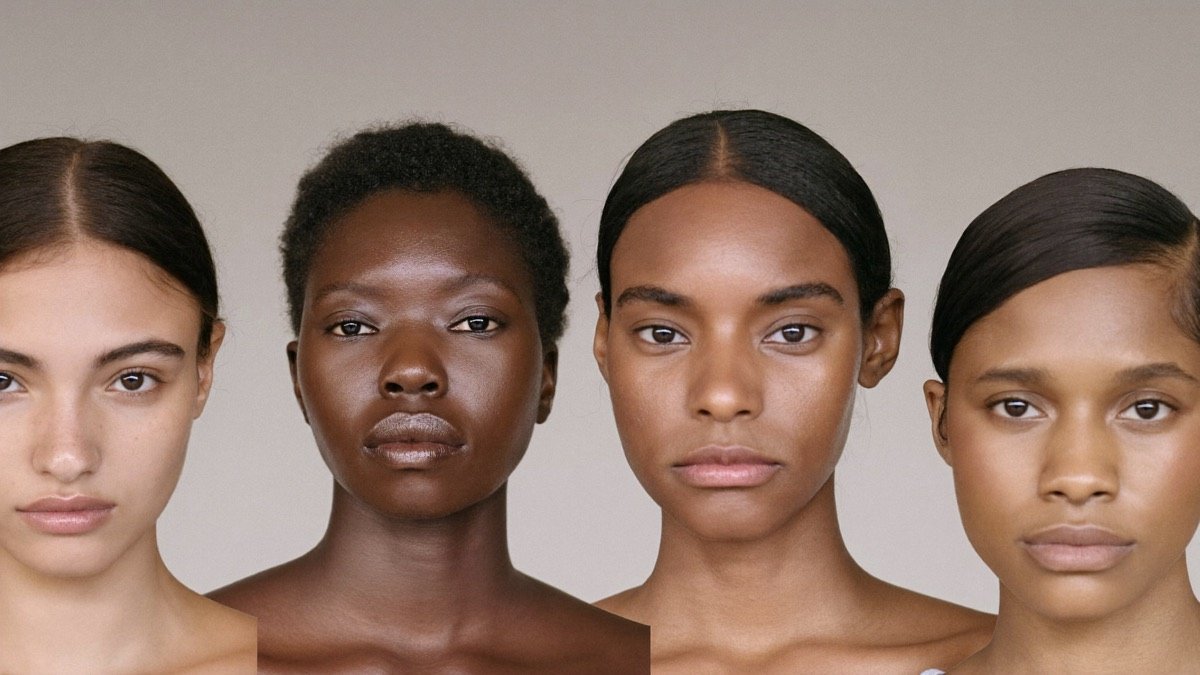
Which haircut suits your face shape?
Round, oval, square, long: the cuts that balance each face shape, and the ones to skip.
Read the guide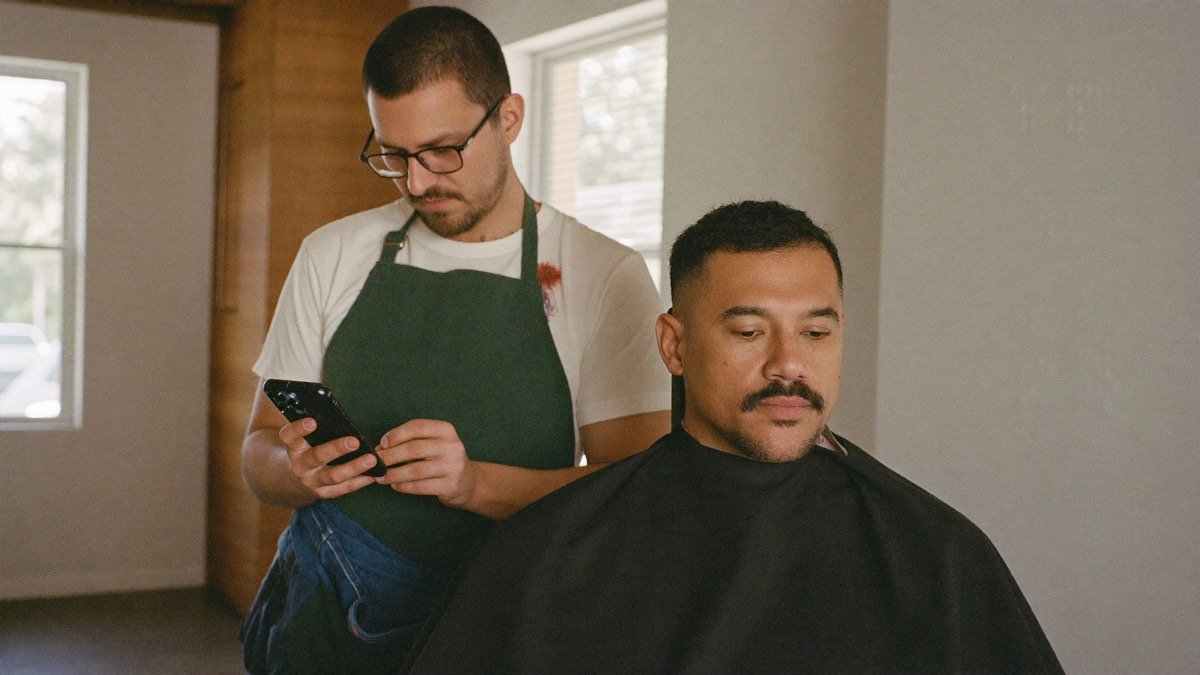
How to tell your barber what you actually want
Why haircut words fail, and the four things to say instead so you get what you pictured.
Read the guide
Fade, taper, undercut: what the words actually mean
Low, mid, high, skin, taper, undercut: the words barbers use, decoded once and for all.
Read the guide